251
251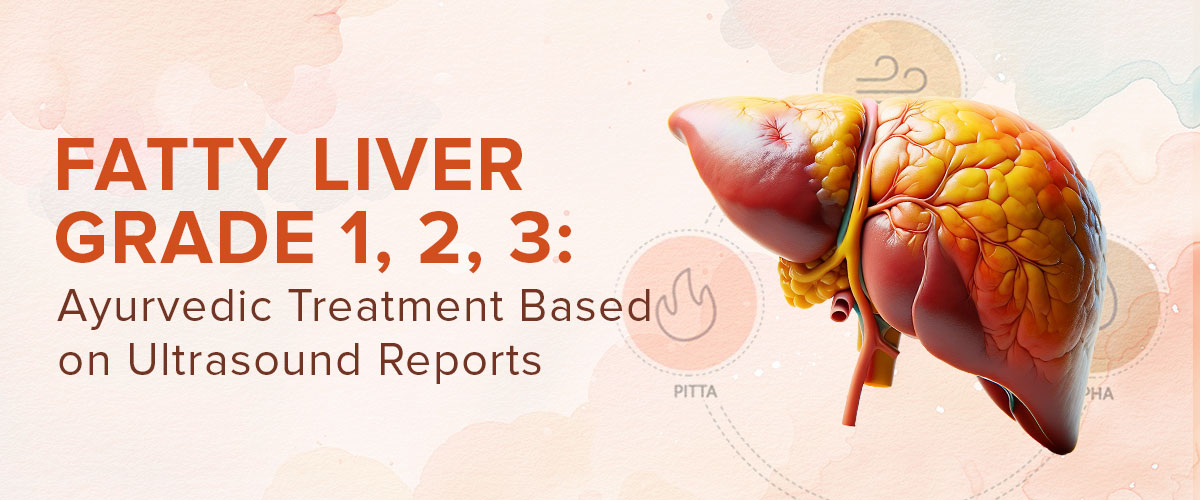
Fatty liver disease often enters the body silently. No pain, no dramatic symptoms, no sudden warning — yet internal changes may already be affecting the liver. Most people continue their daily routines as usual — eating, working, sleeping — everything feels normal, while subtle changes begin to appear on an ultrasound report. Doctors generally classify this condition into three grades based on the amount of fat accumulation in the liver. In the early stages, symptoms are so mild that many individuals remain unaware that their body is signaling an imbalance. At this point, timely awareness and a balanced Ayurvedic approach can play an important supportive role in managing the condition.
What is fatty liver
Fatty liver is a condition in which excess fat accumulates in the liver. A small amount of fat in the liver is considered normal, but when the fat content exceeds around 5–10%, the condition is referred to as fatty liver. Nowadays, this problem is commonly seen due to unhealthy dietary habits and a sedentary lifestyle.
The liver is a vital organ of the body.
It plays an important role in purifying the blood, supporting digestion, and eliminating toxins from the body. When fat starts accumulating in the liver, its normal functions gradually become impaired. In most cases, fatty liver does not show noticeable symptoms in the early stages, which is why many people tend to ignore it.
Fatty liver mainly exists in two forms.
The first is Alcoholic Fatty Liver, which develops due to excessive alcohol consumption.
The second type is Non-Alcoholic Fatty Liver Disease (NAFLD), which occurs even in people who do not consume alcohol. NAFLD is commonly associated with obesity, diabetes, high intake of fried and sugary foods, and lack of physical activity.
Although fatty liver often remains silent, some people may experience mild symptoms, such as fatigue, a feeling of heaviness in the upper right side of the abdomen, indigestion, or reduced appetite. In many cases, liver enzyme levels such as SGPT and SGOT are found to be elevated in blood test reports.
If fatty liver disease is not addressed at the right time, it can gradually progress to serious liver damage and, in advanced cases, even cirrhosis. To improve fatty liver in its early stages, it is important to adopt healthy eating habits, maintain a healthy body weight, and make necessary lifestyle modifications.
Ayurvedic Treatment Approach Based on Ultrasound Grade
Ayurvedic Treatment Approach Based on Ultrasound Grade
Fatty liver disease is usually diagnosed through an ultrasound test. Based on the ultrasound report, fatty liver is divided into three grades: Grade 1, Grade 2, and Grade 3. In Ayurveda, treatment is not limited only to the report. The stage of the disease, digestive strength (Agni), condition of dosha,s and lifestyle are also considered before planning treatment.
Grade 1 Fatty Liver – Early Stage
Grade 1 fatty liver is considered an early and reversible stage. At this level, mild fat accumulation is present in the liver, and in most cases, no clear symptoms are seen.
Ayurvedic treatment approach:
- The main focus is on improving digestive fire
- Efforts are made to prevent the formation of Ama (toxins)
- Patients are advised to eat light, fresh, and easily digestible food.
- A regular daily routine is advised, and physical activity is increased.
- As required, digestive-supporting and liver-supporting medicines may be given.n
At this stage, fatty liver can be fully controlled by following a proper diet and daily routine.
Grade 2 Fatty Liver – Moderate Stage
In Grade 2 fatty liver, fat accumulation in the liver increases. At this stage, symptoms like tiredness, heaviness, indigestion, or reduced appetite may appear.
Ayurvedic treatment approach:
- Special focus is given to removing Ama from the body
- The process of balancing Pitta and Kapha, the dosha, has started.
- Medicines that help improve liver function are selected.
- Strict restriction is advised on fatty, sugary, and fried foods..
- Stress management and proper sleep are given importance.
With regular and disciplined treatment at this stage, disease progression can be controlled.
Grade 3 Fatty Liver – Severe Stage
Grade 3 fatty liver is considered an advanced stage where liver structure and function can be seriously affected. In this stage, the risk of liver inflammation and fibrosis increases.
Ayurvedic treatment approach:
- Deep Ama elimination and restoration of digestive strength are required
- Correction of deep dosha imbalance is done.
Purification therapies like Panchakarma may be considered under medical supervision. - Long-term diet and lifestyle changes are necessary.
- Regular monitoring and follow-up tests are advised.
Role of Diet and Lifestyle in Fatty Liver
Fatty liver is not a condition that can be treated only with medicines. Diet and lifestyle play the most important role in its management. If eating habits and daily routine are not corrected, the effect of medicines also remains limited. Both Ayurveda and modern science agree that the primary cause of fatty liver lies in our everyday habits.
Let us first discuss diet.
In today’s time, people consume fried foods, junk food, sweets, bakery items, cold drinks, and packaged foods in excess. Such foods put extra pressure on the liver for digestion. When heavy and unhealthy food is consumed regularly, the liver becomes unable to process fat properly, and this fat gradually starts accumulating in the liver. Eating at irregular times, having late-night dinners, and frequent snacking are also habits that put stress on the liver. These weaken digestion and lead to increased fat accumulation. Alcohol consumption significantly increases the risk of fatty liver, as alcohol directly damages liver cells.
Now, let us discuss lifestyle.
Sitting for long hours, lack of physical activity, and avoiding exercise contribute to the development of fatty liver. When the body remains inactive, stored fat is not burned and continues to accumulate in the liver. Sleep is also very important. Inadequate sleep and staying awake late at night interfere with the liver’s natural repair process. The liver regenerates itself during the night, but when proper sleep is lacking, this healing process is disrupted. Stress is another major factor. Excessive stress causes a hormonal imbalance, which disrupts fat metabolism. This directly affects liver health.
In simple words:
Unhealthy diet = fat accumulation
Unhealthy lifestyle = fat not burned
Both together = fatty liver.
In cases of fatty liver, improving diet and lifestyle can significantly improve the condition. Light, fresh, home-cooked food, timely meals, daily mild exercise, adequate sleep, and stress management all help restore liver health.
The first and most important treatment for fatty liver is improving daily habits. When diet and lifestyle are healthy, the liver gets the opportunity to heal itself.
How Does Ayurveda Understand Fatty Liver Disease?
Ayurveda does not see fatty liver disease as only a problem shown in a medical report. It connects this condition with digestion, metabolism, and the body’s internal balance. According to Ayurveda, when digestive strength becomes weak and the body is unable to digest food properly, fat gradually starts accumulating in the body. Over time, this accumulated fat reaches the liver and leads to the development of fatty liver.
In Ayurveda, the liver is known as the Yakrit. The main functions of the liver are to purify the blood, nourish the body, and maintain balanced metabolism. When the liver is unable to perform these functions properly, toxic substances start forming in the body. These toxins are known as Ama in Ayurveda. The development of fatty liver often begins with the formation of Ama, which combines with Kapha and Meda and spreads in the body, putting pressure on the liver.
Dosha Imbalance
According to Ayurveda, fatty liver is mainly associated with an imbalance of Kapha dosha and Meda dhatu. When Kapha increases, the body experiences heaviness, lethargy, and a higher tendency for fat accumulation. Due to an imbalance in Meda dhatu, the body is unable to utilize fat properly. In many cases, an imbalance of Pitta dosha is also observed, which can lead to liver inflammation, burning sensation, and increased liver enzyme levels.
Weak Digestive Fire (Low Agni)
Ayurveda believes that the root cause of most diseases is weak digestion. When Jatharagni becomes sluggish, food is not fully digested, and Ama starts forming. This Ama gradually moves through the digestive system and reaches the liver, leading to the development of fatty liver.
Impact of Lifestyle and Diet
Ayurveda also connects fatty liver with modern lifestyle habits. Fried food, excessive sweets, processed food, late-night eating, alcohol consumption, long hours of sitting, lack of physical activity, poor sleep, and continuous stress—all these habits negatively affect liver health. Such a lifestyle increases Kapha and Meda in the body, which eventually leads to fatty liver disease.
Ayurvedic Perspective
Ayurveda views fatty liver as a condition related to Medoroga, liver imbalance, and disturbed digestion. Therefore, Ayurvedic treatment is not limited to reducing fat alone. It focuses on improving digestion, detoxifying the liver, balancing doshas, and adopting the right diet and daily routine together.
When the body’s internal balance is restored, the liver naturally gets the opportunity to heal itself.
How Long Does Improvement Take in Ayurveda?
Ayurveda follows a slow but sustainable approach to healing. Instead of providing quick, temporary relief, it focuses on correcting the root cause of the problem. That is why improvement in fatty liver through Ayurveda happens gradually, but the results are long-lasting when the treatment and lifestyle changes are followed properly.
The time required for improvement mainly depends on the grade of fatty liver seen in the ultrasound report.
In Fatty Liver Grade 1, the condition is still in its early stage. Fat accumulation is mild, and liver damage is minimal. With timely dietary correction, proper daily routine, light exercise, and Ayurvedic support, many people start noticing improvement within 4 to 6 weeks. Energy levels improve, digestion becomes better, and ultrasound findings may start showing positive changes.
In Fatty Liver Grade 2, fat accumulation is moderate and has usually been present for a longer time. In such cases, the body needs more time to detoxify and restore normal liver function. With consistent treatment, lifestyle discipline, and dietary control, noticeable improvement is generally seen within 2 to 3 months. Some patients may require continued care beyond this period, depending on their condition.
In Fatty Liver Grade 3, the condition is more serious and requires long-term treatment and strict discipline. Improvement takes time because inflammation, fat accumulation, and liver stress are higher. However, with patience, regular follow-ups, and lifestyle correction, Ayurveda can support gradual healing.
Overall, the duration of improvement varies from person to person and depends on factors such as:
- Individual body type
- Existing lifestyle habits
- Consistency in following the diet and treatment
Ayurveda works best when approached with commitment and patience, allowing the body to heal naturally from within.
Conclusion
According to Ayurveda, fatty liver is not only a liver disorder. It is linked with digestion, metabolism, and lifestyle imbalance. Treatment approach changes according to ultrasound grade, but the basic aim remains the same — improving digestion, reducing Ama, and restoring the liver’s natural healing ability.